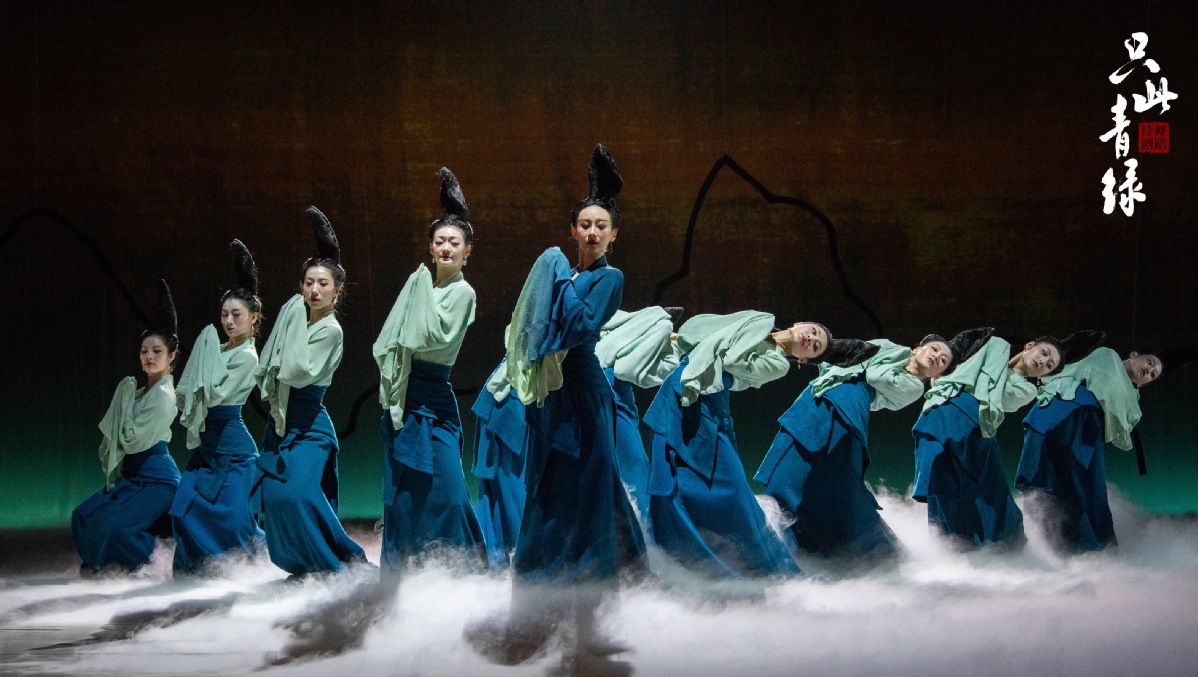
Classical Chinese Dance
Introduction
Classical Chinese dances have a rich and varied history, representing the cultural and artistic traditions of different eras in China. These dances are a vital part of the country's heritage, embodying the aesthetics, social customs and historical narratives of their times. The dances were often performed as part of court rituals, festivals and other significant events, serving to entertain, educate and sometimes communicate with the divine.
Historical Context
Classical Chinese dances date back thousands of years and have evolved through various dynasties, including the Han Dynasty (206 BC-AD 220), Tang Dynasty (618-907), and Ming Dynasty (1368-1644). Each period had its unique styles and forms of dance, influenced by contemporary politics, religion and cultural exchanges with other regions. For instance, the Tang Dynasty was known for its cosmopolitan culture, which led to the incorporation of dance elements from Central Asia and beyond.
Ceremonial and Ritual Dance
In ancient China, dance was closely associated with religious ceremonies and rituals. Dances performed during these occasions often included elaborate costumes and intricate choreography, symbolizing various mythological and spiritual themes. Such dances were integral to state ceremonies and were used to express loyalty and reverence to the emperor and the gods.
Modern Revival and Interpretation
The interest in classical Chinese dances has seen a resurgence in modern times, thanks in part to efforts by cultural historians and artists to revive and reinterpret these traditional forms. Institutions like the Beijing Dance Academy have been at the forefront of this movement, using historical records and artifacts to recreate classical dances for contemporary audiences.








